// services
Design Thesis
GRAF 3006
Professor:
Paul Haslip
EZHISIN:This work comes from a personal place. It reflects what it means to almost lose something that was always yours. The distance from culture is not always visible, but it is deeply felt—in language, in identity, and in understanding where you belong.This project is not just about loss, but about the act of returning. Of learning, unlearning, and reclaiming.
Cultural Context + Concept.
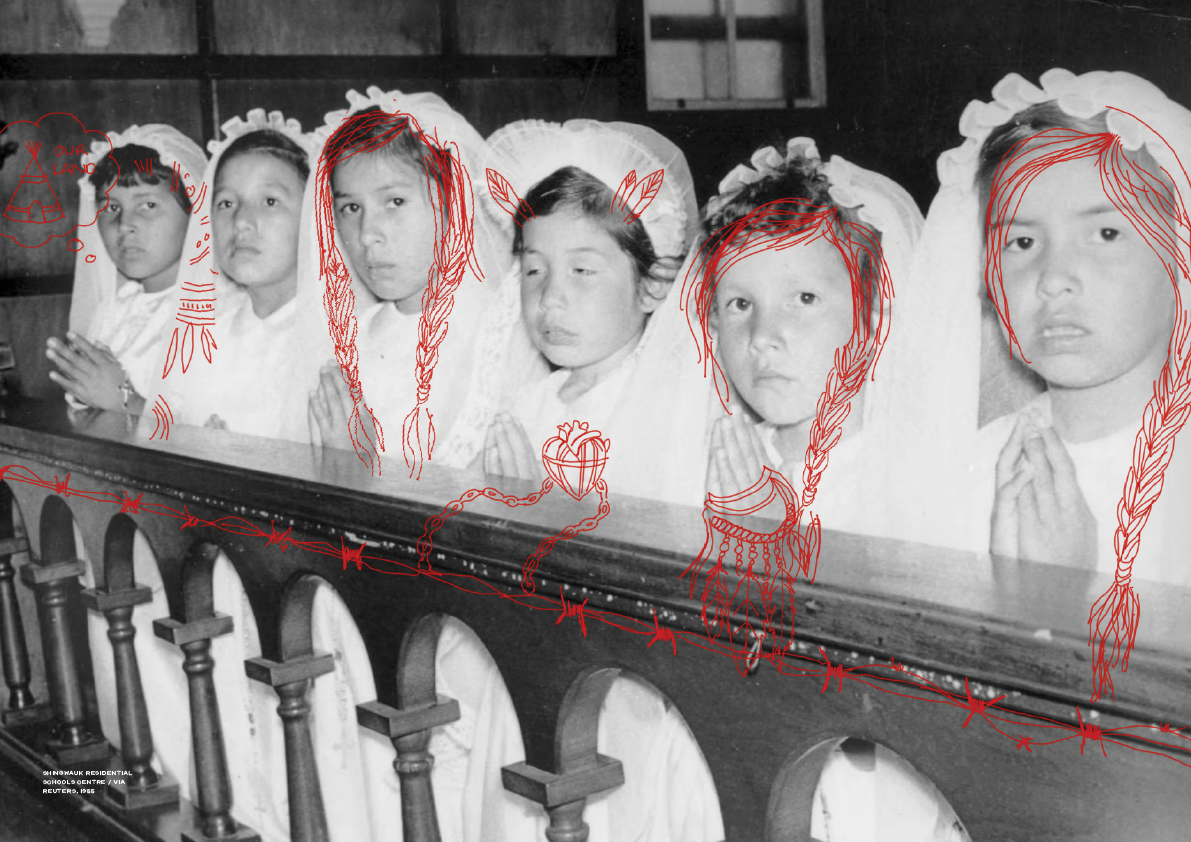
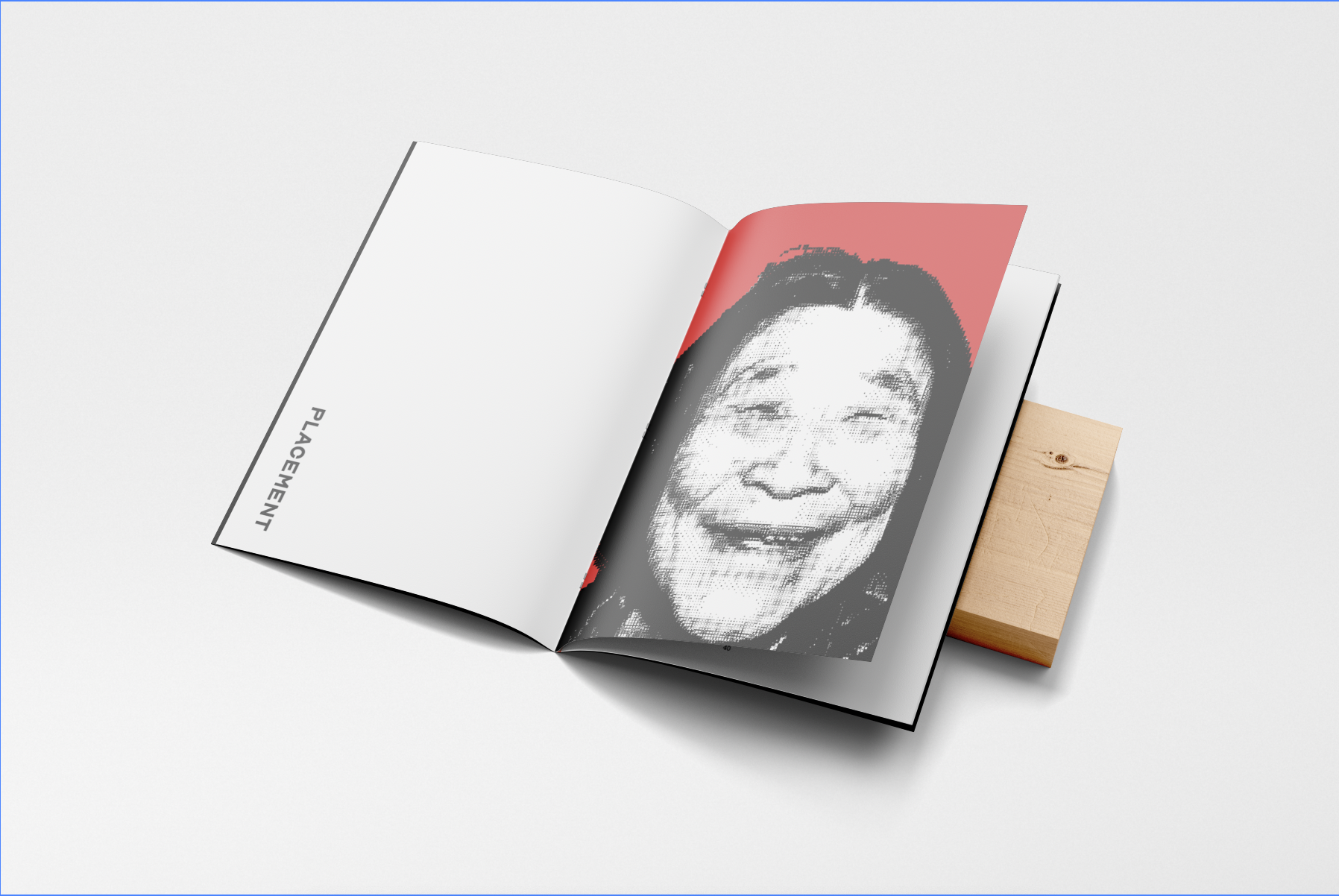
This publication examines Indigenous tattooing through fragmentation, absence, and continuity. Rather than presenting a complete history, it focuses on what survives: partial records, oral memory, and lived experience.As shown throughout the magazine, knowledge was once carried through the body, through ceremony, and through relationship—not through written documentation. When those systems were disrupted, the absence that followed became part of the history itself.
Design Process + Reflection.
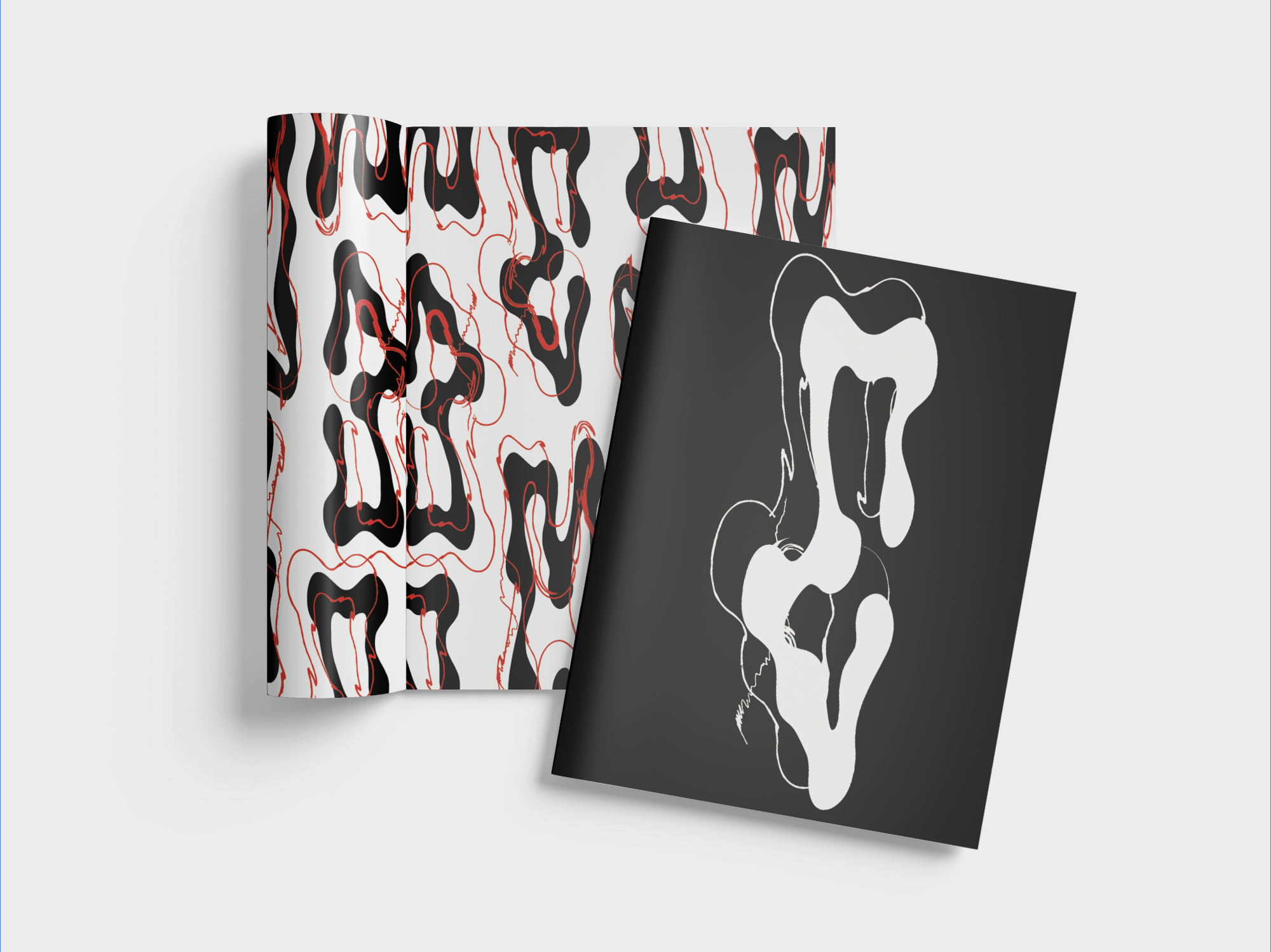
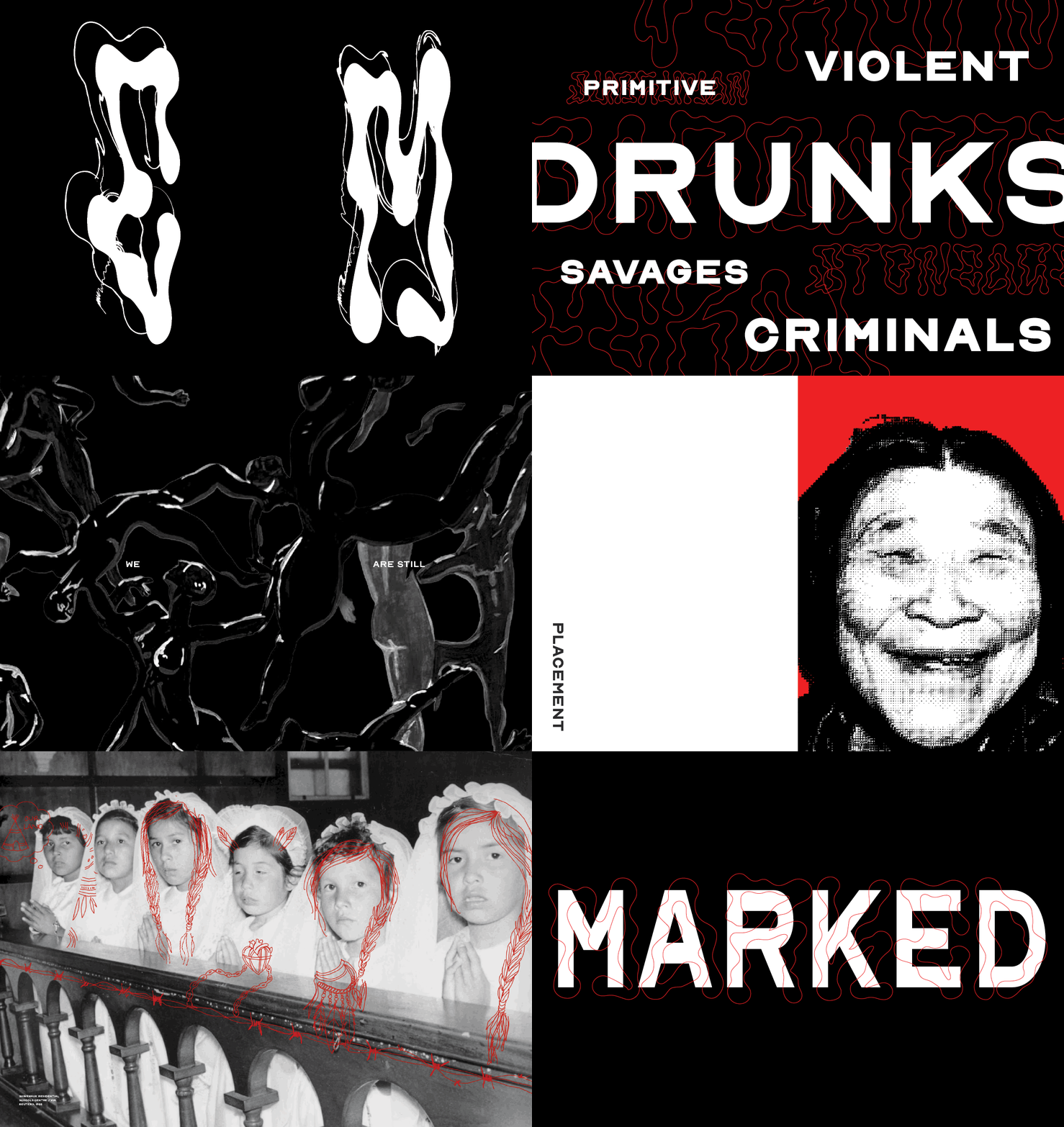
This thesis project developed from my earlier magazine MARKED, where I began noticing how much information around Indigenous tattooing was missing or incomplete.That shifted my approach. Instead of explaining, I focused on absence.The project is built from fragments—partial records, gaps, and disrupted knowledge—which shaped both the concept and design.  Typography breaks, repeats, and shifts to reflect that experience.I came to understand that the gaps aren’t failures—they’re part of the history. This work doesn’t try to fill them, but to acknowledge what remains.